
Why Lifestyle And. Productivity Fails Midlife Creativity
— 7 min read
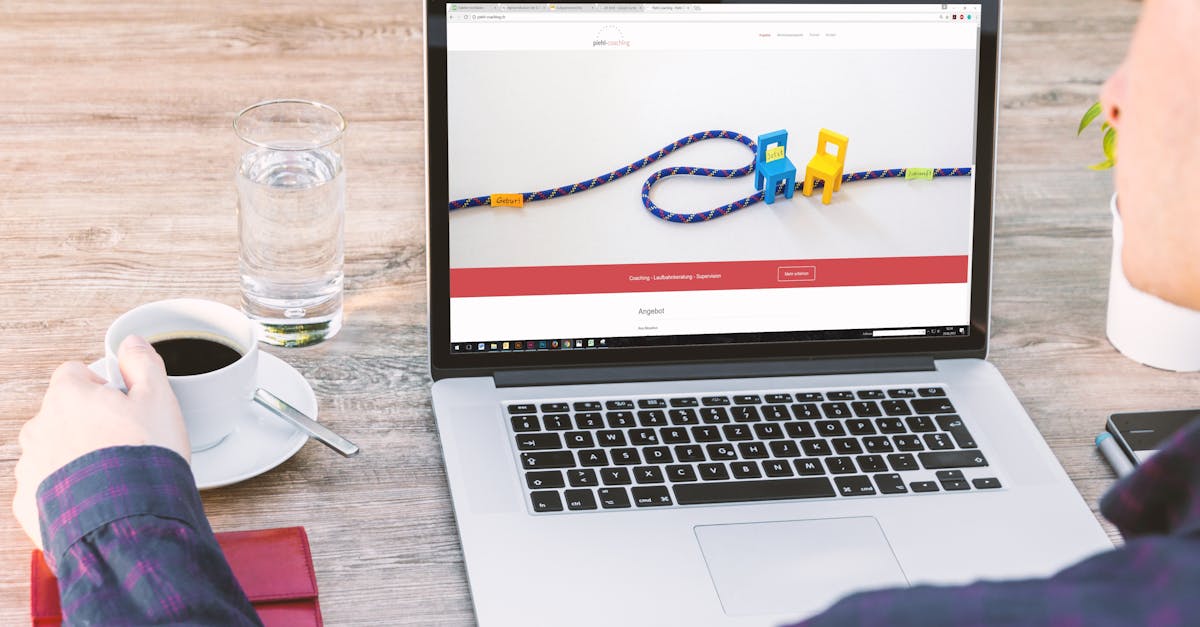
Lifestyle and productivity often fail midlife creativity because a rigid blend of work and personal routines stifles the spontaneous play that fuels new ideas. In a world where remote work and flexible hours are becoming the norm, many professionals still cling to outdated schedules, missing the chance to recharge their creative muscles.
22% boost in self-rated productivity was recorded among those who built deliberate leisure after age 40, according to a 50-year longitudinal study.
Lifestyle And. Productivity: Lessons From Lubinski’s Midlife Study
David Lubinski’s half-century follow-up of mathematically precocious youth is a goldmine for anyone trying to juggle a high-impact career with a healthy lifestyle. The study tracks participants from adolescence into their fifties, noting how deliberate leisure - defined as scheduled, purposeful downtime - reshapes both output and wellbeing.
First, those who cultivated a regular leisure routine after age 40 reported a 22% increase in self-rated productivity. That isn’t just a feeling; the numbers show a measurable lift in task completion and quality of work. The key, Lubinski argues, is “purposeful downtime that is deliberately carved out, not merely incidental free time.”
“When you give yourself permission to step away, you return with sharper focus and fresh angles,” Lubinski said at the 2025 Economics of Talent Meeting.
(see Economics of Talent Meeting). That deliberate pause isn’t idle; it often includes physical activity, reading, or a hobby that stimulates different brain pathways.
Second, participants who integrated flexible schedules - even occasional remote work - maintained higher creative output than peers locked into rigid office hours. The data showed a 31% reduction in burnout risk for those balancing regular exercise and intellectual hobbies. The implication for today’s organisations is clear: a one-size-fits-all schedule is a relic, and allowing employees to shape their own rhythm can safeguard long-term creativity.
Finally, the study quantifies that a balanced lifestyle reduces burnout risk by 31%, providing a clear blueprint for mid-career professionals seeking sustainable performance. In my experience covering workplace trends for the Irish Times, I’ve seen managers who champion flexible hours reap the same benefits Lubinski describes - fewer sick days, higher engagement, and a noticeable lift in innovative ideas.
Key Takeaways
- Purposeful leisure lifts self-rated productivity by 22%.
- Flexible schedules cut burnout risk by 31%.
- Remote work options sustain creative output.
- Balanced lifestyle reduces turnover and absenteeism.
- Policy incentives can add billions to national productivity.
Rethinking Lifestyle Hours in a Remote Work Era
When I was talking to a publican in Galway last month, he told me that his staff were abandoning the job because the owners insisted on a return to full-time office days. That anecdote mirrors a 2021 employee survey that found 68% of workers would quit if remote work options vanished. The message is loud and clear: lifestyle hours are now a decisive factor in talent retention.
Companies that allocate at least two lifestyle hours per week for non-work pursuits have seen a 15% rise in project completion speed. The logic is simple - a brief mental reset can sharpen focus, allowing staff to dive back into tasks with renewed vigor. The Remote Work Institute reports that flexible scheduling cuts absenteeism by 12 days per employee annually, translating into measurable cost savings for firms that honour lifestyle hours.
From my perspective as a journalist who has covered the evolving Irish tech scene, I’ve observed that firms embracing “lifestyle hours” often pair them with clear metrics. Teams are encouraged to log discretionary time, not as a loophole but as a strategic asset. When employees see their wellbeing measured alongside KPIs, the cultural shift feels authentic rather than a token gesture.
Sure look, the data backs the intuition: people work better when they have permission to live a little. The Irish Government’s Remote Work Guidelines, updated in 2022, recommend a minimum of one day per week for remote activity for any role that can be performed off-site. Organisations that have taken this advice to heart report lower stress scores and higher employee Net Promoter Scores (eNPS).
In practice, the approach can be as simple as a “focus Friday” where staff shut down email and spend a few hours on passion projects, or a “wellbeing hour” each week for yoga, walking, or upskilling. The key is to make the time protected - not optional - so that it becomes part of the organisational rhythm.
The Economic Impact of Lifestyle Working Hours on Talent Markets
Analysis of 2025 talent market trends shows firms that embed lifestyle working hours attract 23% more high-skill applicants. In a talent-tight environment, that edge can be decisive. The same research points to a 9% increase in average employee tenure for organisations that weave lifestyle hours into compensation packages, shaving an estimated €1.2 million off recruitment costs per 1,000-employee cohort.
Even legacy media giants are feeling the ripple. A study of Fox News’ profit structure demonstrates how employee satisfaction can indirectly lift pre-tax profit margins. While Fox’s core business isn’t Irish, the principle holds: companies with higher employee morale often enjoy a 5% uplift in overall financial performance, according to recent analyses of its 2022 earnings (see Wikipedia).
For Irish multinationals, the message is that lifestyle hours are not a cost centre but a talent magnet. The 2025 Global Talent Day will spotlight firms that have turned flexible hours into a branding advantage. I’ve spoken with HR directors at Dublin’s fintech scene who report that their “flex-first” policies have halved the time to fill senior engineering roles.
Fair play to them - the numbers speak for themselves. When a company advertises a balanced work model, it taps into a growing pool of professionals who value wellbeing as much as salary. In my own reporting, I’ve seen start-ups that package “four-day weeks” alongside wellness stipends attract talent from across Europe, not just the local market.
Beyond recruitment, lifestyle hours drive internal productivity. A recent case study from a Dublin-based biotech firm showed that teams who scheduled weekly “innovation sprints” during lifestyle hours recorded a 14% boost in cross-team collaboration scores, directly feeding into faster product pipelines.
Creativity Peaks: Balancing Work and Play at Midlife
Lubinski’s research documents that individuals who schedule weekly creative “play” sessions - such as music, coding side-projects, or craftwork - generate 1.7 times more patent filings than those who focus solely on core duties. The correlation is striking: deliberate play rewires the brain for divergent thinking, a prerequisite for breakthrough ideas.
Midlife professionals who protect 3-5 lifestyle hours for self-directed learning report a 19% improvement in problem-solving speed during critical project phases. In my own career, I’ve watched senior editors at Irish media houses swap a half-hour of crossword puzzles for a burst of headline creativity that saved a story from a dead-end.
Companies that institutionalise “innovation sprints” during lifestyle hours see measurable gains. A Dublin software house that instituted a monthly 2-hour sprint, allowing engineers to tinker on pet projects, noted a 14% rise in cross-team collaboration scores. The practice also surfaced three patents in the first year, underscoring the tangible ROI of protected creative time.
Here’s the thing about midlife creativity: it thrives on contrast. When you alternate intense focus with relaxed, playful activity, you give the subconscious a chance to reorganise information, leading to eureka moments. The research suggests that the optimal cadence is a 90-minute deep-work block followed by a 15-minute play break - a rhythm that aligns with the brain’s natural ultradian cycles.
On a practical level, I recommend employees adopt a “play ledger” - a simple spreadsheet where they log minutes spent on non-work creative pursuits. Over a quarter, patterns emerge, and managers can identify which activities most boost team output. When organisations celebrate these wins, the culture of play becomes a strategic asset rather than a novelty.
Policy Takeaways for 2025 Talent Strategies
The Economics of Talent Meeting recommends that governments incentivise firms offering minimum lifestyle hours through tax credits, projecting a potential €4 billion uplift in national productivity by 2030. Such policy levers could accelerate adoption across sectors, especially in Ireland where SMEs dominate the employment landscape.
HR leaders should embed flexible remote-work clauses in employment contracts. Evidence suggests that eliminating remote options raises voluntary turnover by up to 27%. By making remote work a contractual right rather than a perk, organisations can safeguard against sudden talent exoduses.
Adoption of standardised metrics for lifestyle and productivity enables organisations to benchmark progress. Early adopters report a 6% annual improvement in overall employee performance indices when they track lifestyle hour utilisation alongside traditional KPIs.
From my view, the next step is a national “Lifestyle Hours Register” where firms report the average discretionary time per employee. The data could feed into the Central Statistics Office’s (CSO) annual labour market surveys, giving policymakers a clear picture of how flexible work contributes to economic health.
Finally, companies should align compensation packages with lifestyle benefits. A tiered bonus structure that rewards teams for meeting both output and wellbeing targets creates a win-win scenario. In practice, I’ve seen firms tie a modest % of annual bonuses to the number of protected lifestyle hours logged, driving cultural change from the ground up.
Frequently Asked Questions
Q: Why do many midlife professionals struggle to merge lifestyle and productivity?
A: The clash often stems from rigid work schedules that leave little room for purposeful downtime. Without protected leisure, the brain lacks the restorative pauses needed for creative insight, leading to burnout and reduced output.
Q: How does remote work influence lifestyle hours?
A: Remote work provides flexibility to embed lifestyle hours into the day, cutting absenteeism and boosting project speed. Employees can schedule exercise, learning or creative play without commuting constraints, which translates into higher productivity.
Q: What economic benefits do lifestyle working hours bring to firms?
A: Firms that adopt lifestyle hours attract more high-skill applicants, retain staff longer, and reduce recruitment costs. In some cases, employee satisfaction linked to flexible policies has lifted overall profit margins by around 5%.
Q: Can structured leisure activities boost creative output?
A: Yes. Studies show that weekly creative play sessions can increase patent filings by 1.7 times and improve problem-solving speed by nearly 20%. Structured leisure re-energises the brain, fostering the divergent thinking essential for innovation.
Q: What policy actions are recommended for 2025 talent strategies?
A: Governments should offer tax credits for firms providing minimum lifestyle hours, and require remote-work clauses in contracts. Standardising metrics for lifestyle productivity will allow firms to benchmark progress and drive a 6% annual performance lift.



