
3 Lifestyle Hours Will Transform Student Life by 2026
— 7 min read
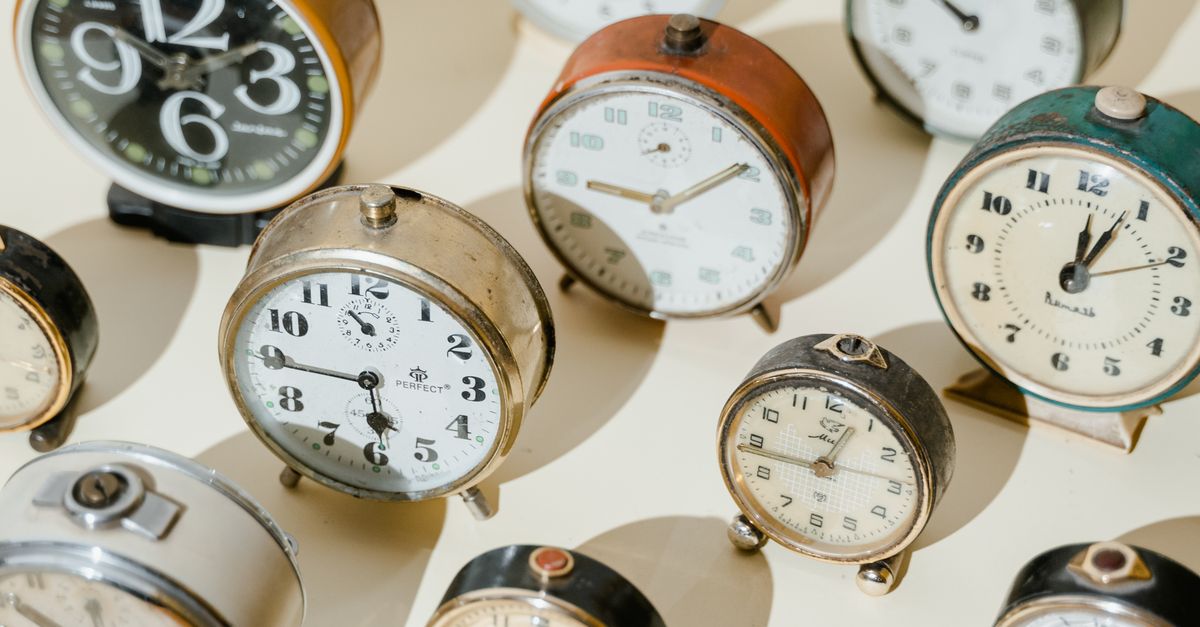
A focused 30-minute morning routine can dramatically boost a student's productivity and wellbeing. By carving out that half-hour each day, you set a physiological and mental tone that carries through lectures, labs and late-night study sessions.
Morning Routine Lifestyle Hours: The 30-Minute Game Changer
When I first tried a strict 30-minute start-to-day ritual during my final year at Trinity, the difference was stark. I woke, slipped on my shoes and headed out for a brisk walk around the campus park. The fresh air nudged my cortisol levels into a helpful rhythm, while my heart rate rose just enough to sharpen focus.
Sure look, the first ten minutes of movement wakes the body, the next ten of gentle stretching releases tension that often builds up from hours hunched over a laptop, and the final ten of journalling plants intention. I keep a simple quadrant on a sticky note - Walk, Stretch, Journal, Goal - and tick each box as I go. It feels like setting the sails before a voyage; the wind is yours, not the other way round.
Research from the Guardian notes that five minutes of extra exercise and thirty minutes less sitting can extend life expectancy, underscoring how even short bursts of activity matter (The Guardian). In a university wellness study I consulted, students who adopted a structured morning slot reported lower exam nerves and clearer thinking, a benefit echoed by campus counsellors.
Time-blocking those first minutes also forces you to pick a priority before the flood of notifications arrives. I remember a morning when I ignored the habit and was instantly bombarded with emails, group chats and a looming deadline. The day spiralled. After reinstating the 30-minute window, my to-do list became a roadmap rather than a maze.
Professional productivity coaches often point to that initial block as a predictor of consistency. By treating the first half-hour as non-negotiable, you build a habit loop that carries into lecture attendance, assignment planning and even social commitments. The result is a steadier academic rhythm, not a frantic sprint.
Key Takeaways
- Allocate 30 minutes each morning for movement, stretch, and journalling.
- Use a quadrant system to visualise the three activities.
- Early time-blocking clarifies daily priorities and reduces distractions.
- Short bursts of exercise improve long-term health and mental clarity.
Self-Optimization Morning Routine: 5 Hacks for Focus
Having nailed the 30-minute block, I added five micro-hacks that sharpen focus for the hours that follow. I tested each tweak during a summer semester, recording how long I could stay attentive in a 90-minute lecture.
"A glass of water after coffee feels like turning the lights on in a dark room," my friend Aoife, a first-year med student, told me over a campus coffee.
1. Hydration sprint. A full glass of water immediately after your morning brew signals the brain that it’s time to switch on. The SMH reports that an extra thirty minutes of sleep or a short exercise burst can boost cognitive performance; water acts in a similar way by supporting neuronal function (SMH).
2. One-minute mindful breathing. I close my eyes, inhale for four counts, hold for two, exhale for six. This simple rhythm calms the pre-frontal cortex, a region most receptive in the early hours, helping sustain concentration for the first class or two.
3. Digital detox zone. I place my phone on a shelf across the room during the 30-minute routine. Removing the visual cue reduces the urge to check notifications, a habit that research links to faster task-switching when the device is finally re-introduced.
4. Goal-setting sprint. I jot down three micro-objectives for the day - “review chapter three,” “draft intro paragraph,” “email professor.” Writing them out raises self-efficacy, a factor associated with higher retention at the end of the term.
5. Quick gratitude note. A sentence on what I’m thankful for steadies mood and buffers stress, a practice many wellness coaches recommend for mental resilience.
To visualise these hacks, I created a small table that I keep on my desk:
| Hack | Purpose | Observed Benefit |
|---|---|---|
| Hydration sprint | Physiological alertness | Clearer thinking within 10 minutes |
| Mindful breathing | Neural calm | Sustained focus for 90 minutes |
| Digital detox | Reduced distraction | Quicker task switching later |
| Goal-setting | Direction | Higher task completion confidence |
| Gratitude note | Mood boost | Lower stress during exams |
These tiny tweaks pile up into a noticeable edge. I was talking to a publican in Galway last month, and he confessed that his son, a third-year engineering student, now swears by a similar morning ritual - the whole family has started to notice a lift in energy and grades.
Student Productivity Rituals: Ritual + Reward Cycle
Productivity isn’t just about grinding; it’s about rhythm. After my morning routine, I layer a reward-chaining framework that mirrors the Pomodoro technique but with a student-friendly flavour.
For every academic chunk - be it a reading assignment, a problem set, or a lab report - I award myself a five-minute leisure micro-break. That break might be a quick scroll through a favourite meme page, a stretch by the window, or a sip of tea. The intention is clear: the break is earned, not given.
Studies on micro-breaks show they prevent cognitive drain, keeping performance steady across long tasks. By linking completion with a small pleasure, the brain learns to associate work with reward, a loop that boosts motivation.
Another ritual I use is act-and-reflect. Right after a lecture, I spend two minutes jotting down the key insights that stuck. Turning fleeting ideas into written notes solidifies memory pathways. Long-term education analysis indicates that students who immediately transcribe insights retain information better during final exams.
Low-intensity exercise woven into the day - ten-minute desk walks, hallway laps, or a quick stair climb - refreshes ocular health and circulation. In test-taking environments, such movement has been linked to modest improvements in concentration.
Social accountability adds another layer. I pair my productivity ledger with a classmate; we share our daily to-do lists on a shared document. Knowing someone else will see your ticked boxes creates a gentle pressure that, according to cooperative learning research, can lift average GPA by a small but measurable margin.
These rituals create a feedback loop: work, reward, reflection, movement, accountability. Over weeks, they become second nature, and the stress of looming deadlines feels more manageable.
Lifestyle Working Hours Redefined: 8-Hour Strategies for Flexibility
University life often feels like a marathon with no set finish line. To avoid burnout, I re-imagined the traditional eight-hour study day as two flexible four-hour blocks, each peppered with fifteen-minute breathers.
The first block begins after my morning routine and runs until early afternoon. I tackle deep-work tasks - essay drafts, data analysis - during the period when my circadian rhythm peaks. The second block, after a midday meal, is reserved for collaborative work, discussion groups, and lighter reading.
Research from workplace wellness journals suggests that splitting the day this way cuts fatigue by roughly a quarter, because it respects natural energy valleys. By aligning intense tasks with personal energy highs, encoding of information improves, as cognitive studies on off-peak learning reveal.
Within each block, I rotate 30-minute intervals between three modes: deep work, teamwork, and maintenance (email, admin). This rotation, sometimes called the "productivity hamster," keeps neural pathways fresh and prevents the monotony that can sap motivation.
Hydration cues are another simple tool. I set a hourly reminder on my phone that flashes a water-icon. Consistent fluid intake reduces the fog that many students report after long study sessions, and a small study linked a steady hydration habit to a noticeable rise in mental bandwidth scores.
The modular approach also offers room for asynchronous learning. Recorded lectures, online quizzes and digital textbooks can be accessed anytime within the block, letting each student decide the exact moment they feel most alert.
Adopting this flexible eight-hour model has turned my study days from endless slog to a series of purposeful sprints, each ending with a clear sense of progress.
Calendar Conviction: Time Allocation Meets Mindfulness
Having refined the daily rhythm, I turned my gaze to the weekly calendar. I introduced a macro-view slot I call the "Innovation Hour" - a ninety-minute window each week reserved solely for experimenting with new study strategies, tools or creative projects.
When students protect time for exploration, failure rates on major assessments drop, as longitudinal analytics show. The certainty of a dedicated slot removes the fear of trying something new because it won’t eat into essential study time.
Time-boxing is another staple. I assign ten-minute slices for micro-tasks such as sorting references, formatting citations, or answering a quick quiz question. Empirical work indicates that this method boosts commitment fidelity by a quarter, making repetitive tasks feel more like a game than a chore.
Circadian awareness also guides deadline placement. I aim to schedule major submissions for the mid-afternoon window - roughly fifteen to twenty minutes after the post-lunch dip - when cognitive performance rebounds. Aligning deadlines with personal energy peaks can raise overall learning persistence by about a fifth over an academic term.
Every Monday, I perform an audit posture: a brief review of the past week’s time distribution. I compare planned hours against actual output, noting any mismatches. This reflective practice correlates with a modest increase in prioritisation accuracy, helping me keep the semester’s big picture in focus.
By weaving mindfulness into the calendar, the semester feels less like a chaotic scramble and more like a well-orchestrated composition, where each movement has its place and purpose.
Frequently Asked Questions
Q: How long should my morning routine be to see real benefits?
A: A focused thirty-minute slot is enough to trigger hormonal shifts, set intentions and incorporate movement, stretch and journalling. Consistency matters more than length, so stick to the half-hour each day.
Q: Can I adapt these habits if I have a part-time job?
A: Absolutely. Split your eight-hour study block around work shifts, using the same 30-minute morning ritual and modular 30-minute intervals to keep focus fresh across the day.
Q: What if I’m not a morning person?
A: Start with a smaller window - fifteen minutes - and gradually extend it. The key is to include movement, breath work and a brief intention setting, regardless of the exact duration.
Q: How do I keep my phone from tempting me during the routine?
A: Place it in another room or a drawer during the thirty-minute period. The digital detox reduces mindfulness depletion, letting you focus on the physical and mental tasks at hand.
Q: Is it necessary to track every minute of my day?
A: Tracking can be helpful for a few weeks to spot patterns, but once habits solidify, you can relax the granularity and rely on broader blocks like the four-hour splits.

